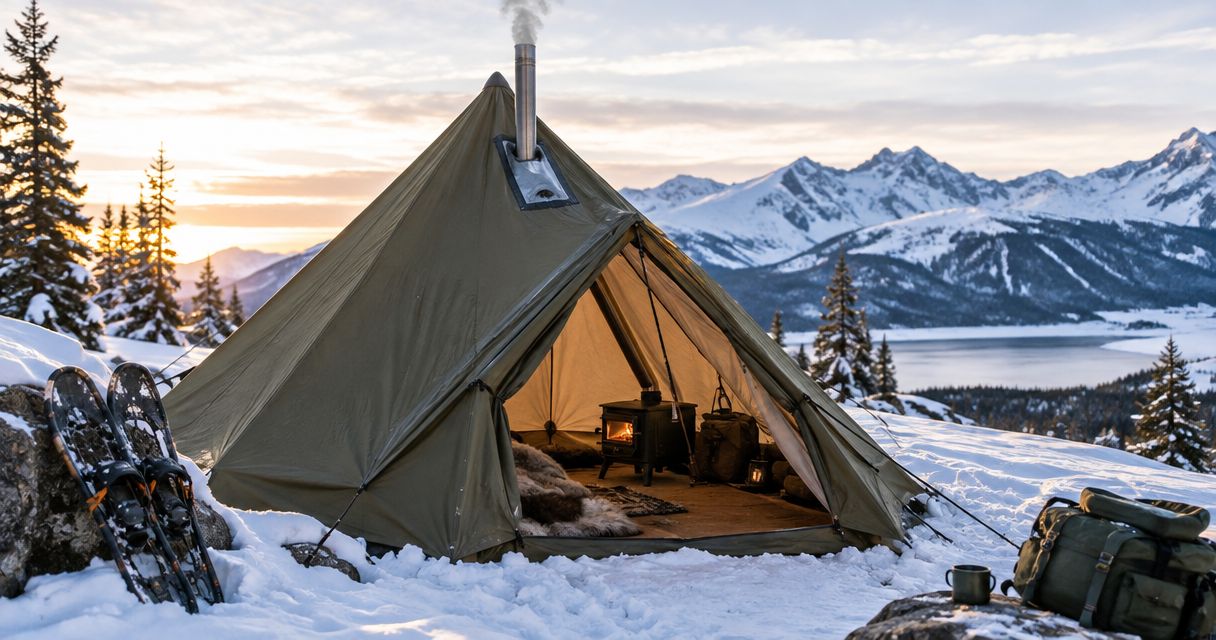
Best default: a purpose-built stove-jack tipi for carried camps. Best for vehicle-supported base camps: a stove-jack canvas wall tent. Best for an enclosed sleeping layout: a stove-compatible dome. Your hot tent stove belongs in a shelter explicitly designed for that exact installation—not simply a tent with room for a heater.
- For Grayman Trading Company shoppers, documented compatibility comes before choosing a hot tent stove setup.
- Choose a stove-jack tipi for carried camps; choose a canvas wall tent for vehicle-supported base camps.
- A stove jack routes a chimney through fabric; it does not establish safe clearances or ventilation.
- Never substitute an open backpacking wood burner for a flued tent stove.
Why this matters
The problem with choosing a hot tent by sleeping capacity is simple: the stove needs floor space too. So do its required clearances, your bedding, stored equipment, and a usable exit. A shelter that fits your group without a stove is not automatically suitable once you add one.
Grayman Trading Company sells outdoor shelter and camping equipment. For a 2026 hot-tent purchase, start with the manufacturer's installation instructions, then choose the shelter shape that fits how you travel. Fabric, pole layout, and packed size matter only after compatibility is established.
A stove jack is a component, not permission to burn any stove inside any tent. Combustion introduces fire and carbon-monoxide hazards. A buying guide cannot replace the tent and stove manufacturers' instructions or local fire restrictions.
What makes the best hot tent stove setup
Judge the complete system, not the shelter photograph. These criteria determine whether a tent belongs on your shortlist:
- Documented compatibility: The manufacturer explicitly permits the intended stove installation and specifies the required components.
- Usable floor plan: Bedding, equipment, stove clearances, and the exit fit together without overlap.
- Chimney routing: The jack location supports the specified pipe arrangement without improvised contact with fabric.
- Transport burden: Count the shelter, poles, stove, pipe, protective components, and fuel-handling equipment together.
- Weather suitability: Match the tent's stated conditions and anchoring requirements to your destination.
- Operating access: You can reach the stove, vents, and exit without moving bedding or stepping across hot equipment.
For your 2026 shortlist, reject any combination that depends on guessing a clearance, modifying an unsupported shelter, or treating a cooking stove as a tent heater. A smaller packed load does not fix an incompatible system.
Stove-jack tents at a glance
These are ranked shelter configurations, not interchangeable product specifications. Every recommendation assumes a purpose-built model whose manufacturer explicitly supports the intended stove installation.
| Rank and configuration | Best for | Standout design feature | Key limitation |
|---|---|---|---|
| 1. Stove-jack tipi | Carried camps | Tapered shelter organized around a central support | Sloping walls and the pole complicate usable space |
| 2. Stove-jack canvas wall tent | Vehicle-supported base camps | Upright walls suit a more organized camp layout | Canvas and supporting structure add transport burden |
| 3. Stove-compatible dome | Campers prioritizing an enclosed sleeping layout | Curved pole structure defines the interior | Stove placement must work around the floor and pole geometry |
| 4. Stove-jack pyramid | Minimalist floorless camps | A straightforward peaked shelter layout | Ground management becomes part of the sleeping system |
Do not compare these configurations using headline occupant counts alone. Ask for the stove-installed layout. That is the arrangement you will actually occupy.
1. Stove-jack tipi: best for carried camps
A purpose-built stove-jack tipi is the default starting point when you intend to carry the shelter rather than build camp beside a vehicle. Its tapered layout places the support and stove installation inside a compact shelter footprint. Check the complete system weight before choosing it over another design.
The tradeoff is at the edges. Sloping fabric reduces usable headroom, and a central pole occupies space that a floor-plan illustration can make look empty. Your sleeping position must work with both the support and the manufacturer's stove clearances.
Stove-jack tipi pros:
- A central layout makes the support position easy to identify.
- A floorless version separates ground covering from the outer shelter.
- The tapered shape gives you a clear layout to evaluate before packing.
Stove-jack tipi cons:
- Sloping walls restrict where you can sit and store equipment.
- The center pole interrupts the floor plan.
- Floorless versions require deliberate ground and bedding protection.
Best for: Campers carrying a documented stove-compatible system who accept limited edge headroom.
Before committing, sketch the stove, pipe route, sleeping pads, and exit on the actual floor plan. If those spaces overlap, choose a different size or configuration—not smaller safety margins.
Verdict: Buy a purpose-built stove-jack tipi for carried camps when its documented layout fits your complete kit.
2. Stove-jack canvas wall tent: best for base camps
A stove-jack canvas wall tent makes sense when transportation matters less than an organized interior. Upright walls provide usable space near the perimeter, rather than forcing every seated activity toward the center. That suits a base camp where you unpack equipment and stay put.
The compromise is the load. Canvas, poles or framing, and the stove system all need transportation and storage. Wet canvas also needs attention before storage; packing it away damp invites mildew.
Canvas wall tent pros:
- Upright walls make perimeter space easier to use.
- A defined wall-and-roof layout helps organize bedding and equipment.
- The configuration suits a camp that remains established rather than moving daily.
Canvas wall tent cons:
- The fabric and supporting structure increase transport demands.
- Setup involves more components than a simple peaked shelter.
- Damp canvas needs drying before storage.
Best for: Vehicle-supported campers who prioritize an orderly base camp over a small carried load.
For a 2026 purchase, inspect the complete packing list, not just the tent bag. Include frame pieces, stakes, protective components, and the stove system in your loading plan. Check that you can transport and dry the shelter after the trip.
Verdict: Buy a stove-jack canvas wall tent for a vehicle-supported base camp; skip it when carrying everything is the priority.
3. Stove-compatible dome: best for an enclosed sleeping layout
A dome uses curved poles to create its interior rather than relying on a single central support. A purpose-built stove-compatible version deserves consideration when you prefer a defined enclosed sleeping arrangement. The exact floor construction and permitted stove location remain model-specific.
Do not assume that a conventional dome becomes a hot tent because a chimney opening can be added. The manufacturer must support the installation. Pipe routing, fabric clearance, ventilation, and floor protection all need to work together.
Stove-compatible dome pros:
- The pole structure defines the shelter's shape.
- The layout avoids a central support pole in designs that use crossing exterior poles.
- A documented sleeping arrangement gives you a starting point for equipment placement.
Stove-compatible dome cons:
- Pole geometry limits where a chimney can pass.
- A sewn-in floor introduces additional heat-protection requirements.
- Nominal sleeping capacity does not describe space with a stove installed.
Best for: Campers who prefer an enclosed sleeping layout and have explicit manufacturer approval for the complete stove arrangement.
The NORTENT Vern 3 description identifies room for 3 people with equipment and cooking. Treat that as a sleeping-space description, not authorization to install a hot tent stove. Capacity language and stove compatibility answer different questions.
Verdict: Hold until the exact dome model and stove installation are explicitly supported by the manufacturer.
4. Stove-jack pyramid: best for minimalist floorless camps
A purpose-built stove-jack pyramid offers a peaked shelter with a straightforward footprint. Choose this configuration when you deliberately want a floorless camp and are willing to manage the ground beneath it. Do not choose it merely because the outer shelter looks simple.
The ground becomes part of your setup. Bedding protection, drainage, exposed soil, and the stove area must all fit within the permitted installation. A footprint protects equipment from the ground; it is not automatically an approved heat barrier.
Stove-jack pyramid pros:
- The peaked layout is straightforward to map before a trip.
- A floorless arrangement lets you position separate ground coverings.
- The shelter encourages a deliberate, minimal equipment layout.
Stove-jack pyramid cons:
- Sloping walls reduce usable perimeter space.
- Ground moisture and drainage need attention.
- Separate groundsheets still need to respect stove clearances.
Best for: Experienced floorless-shelter campers who want a simple layout and already manage ground conditions deliberately.
A tipi and a pyramid can overlap in design and use. The label is less useful than the actual footprint, pole position, and approved pipe route. Compare those details rather than treating the names as performance ratings.
Verdict: Buy a stove-jack pyramid for a deliberate floorless setup; skip it if you want the tent floor to handle ground separation.
Check the layout before choosing the stove
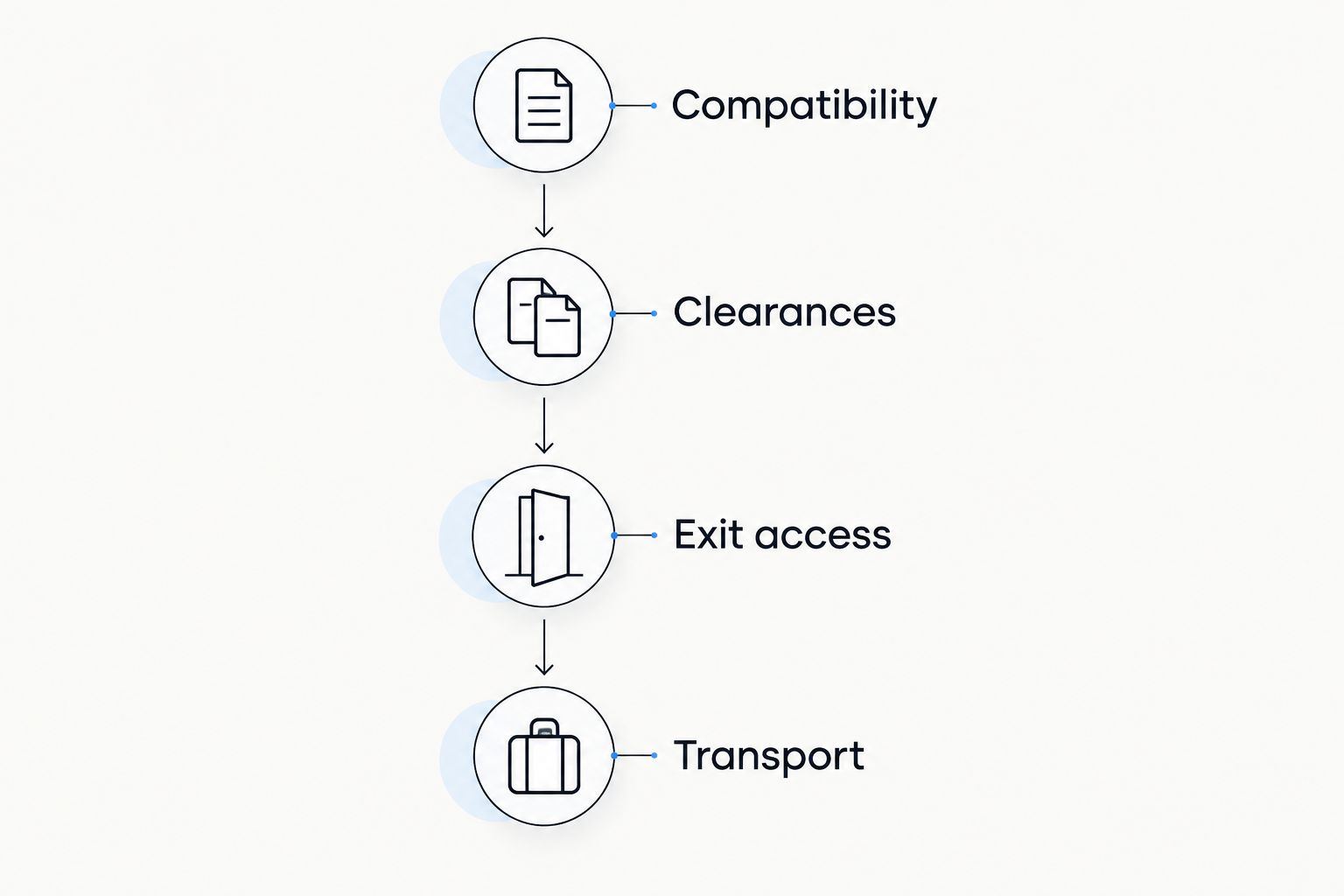
Use the same sequence for every 2026 candidate. A tent photograph cannot show you whether bedding remains outside the required clearance zone.
Compatibility
Read the tent and stove instructions together. Confirm that the shelter permits the installation and that the specified jack, pipe, supports, and protective components match. Do not infer permission from a heat-resistant patch alone.
Clearances
Mark the manufacturer's required separation from the stove body and chimney. Include sleeping bags, clothing, groundsheets, and stored fuel—not just the tent wall. Never substitute an arbitrary clearance from another model.
Exit access
Place your sleeping system and equipment around those marked zones. Preserve an unobstructed exit and access to the required ventilation. Reject a layout that requires stepping over the stove or moving bedding to leave.
Transport
Pack the complete system on paper before ordering. Include the pipe and protective equipment as well as the tent and stove. For a carried camp, weigh your actual packed equipment rather than comparing isolated product weights.
A backpacking wood burner is not a hot tent stove
The word stove covers equipment with very different jobs. An open backpacking wood burner supports outdoor cooking; a purpose-built tent stove uses a specified chimney arrangement. Burning wood does not make the two interchangeable.
The TOAKS STV-12 description lists a weight of 5.4 oz and three-piece locking titanium construction. Those details describe a compact backpacking burner. They do not establish a flued installation for heating a tent.
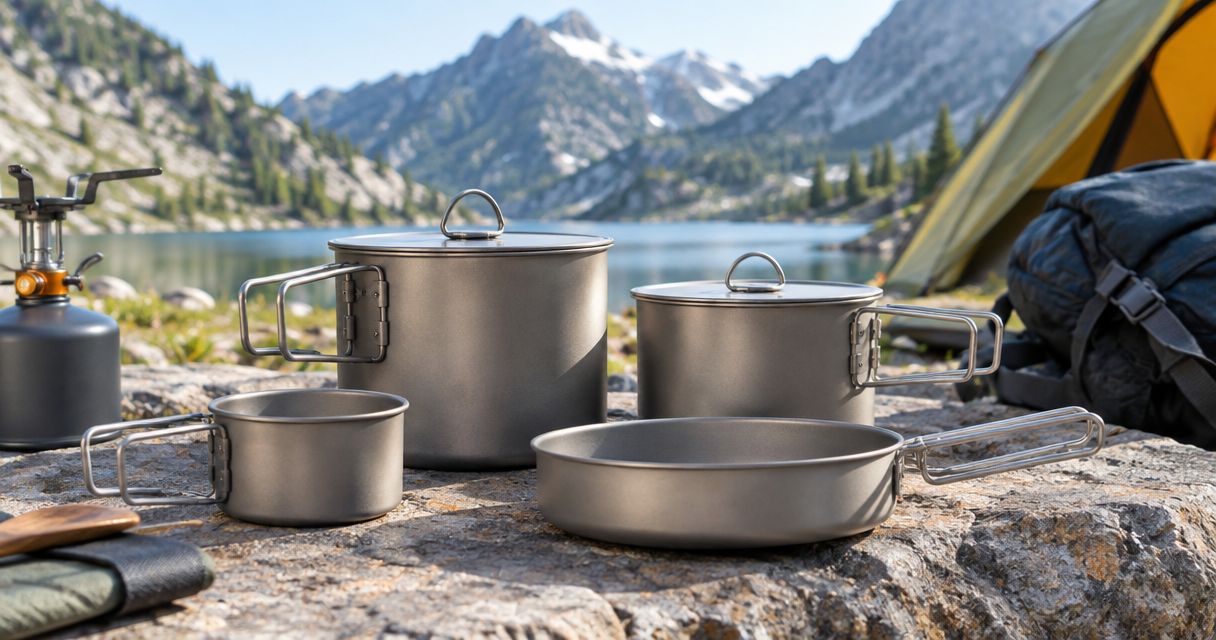
The same distinction applies to cookware. The Toaks Titanium 1100ml Pot with Pan provides 1100 ml of pot capacity in a 5.6 oz set. Cooking capacity tells you nothing about whether a shelter permits combustion equipment inside it.
Keep open cooking burners and portable fire pits outside tents. Never use a stove's low weight, familiar fuel, or ability to hold a pot as evidence that it belongs in a sleeping shelter.
How these configurations are ranked
This 2026 ranking puts travel style first after compatibility: carried camp, vehicle-supported base camp, enclosed sleeping layout, then deliberate floorless minimalism. It is a decision guide by shelter configuration, not a claim that every tipi beats every dome.
The criteria remain the same across all four: documented installation, usable space, chimney routing, transport burden, weather suitability, and operating access. Choose the configuration that fits your trip, then evaluate specific models against those requirements.
Which hot tent stove setup should you choose?
Start with a purpose-built stove-jack tipi if you carry camp; start with a canvas wall tent if you transport camp by vehicle. Choose a dome or pyramid because its specific layout solves your sleeping or ground-management needs—not because its category name sounds warmer.
For Grayman Trading Company shoppers comparing hot tent stove equipment in 2026, the decisive document is the manufacturer's approved installation. If you cannot establish compatibility, do not buy the combination.
FAQ
What's the best tent for a hot tent stove?
A purpose-built stove-jack tipi is the default starting point for carried camps, while a stove-jack canvas wall tent suits vehicle-supported base camps. The exact tent must explicitly support the intended stove installation.
Does a stove jack make any tent safe for a stove?
No. A stove jack provides a chimney passage, but it does not establish safe stove clearances, floor protection, ventilation, or compatibility. Follow the exact tent and stove manufacturers' instructions.
Can I use a backpacking wood stove to heat my tent?
Do not use an open backpacking wood burner to heat a tent. Outdoor cooking burners are not substitutes for a purpose-built, flued tent-stove system.
Is a canvas wall tent better than a tipi?
A canvas wall tent is the better starting point for an organized vehicle-supported base camp; a stove-jack tipi is the better starting point for a carried camp. Compare complete system weight and the stove-installed layout before choosing.
Does a three-person tent still fit three people with a stove?
Do not assume its sleeping capacity remains usable with a stove installed. The stove, required clearances, equipment, and exit route all occupy space. Use the manufacturer's stove-installed layout.
Can I leave a hot tent stove burning while I sleep?
Do not plan to sleep while a stove burns unattended. Build your sleeping system around the expected conditions without relying on continuous stove heat, and follow all manufacturer warnings about supervision and operation.
Will a carbon-monoxide alarm make hot tenting safe?
No. An alarm does not remove combustion hazards or replace compatible equipment, required ventilation, and correct operation. Carbon monoxide is odorless, so smell is not a safety check.
What should Grayman Trading Company shoppers check before buying?
Check explicit tent-and-stove compatibility before comparing shelter size or packed weight. Then confirm that bedding, required clearances, equipment, and an unobstructed exit fit inside the approved layout.
One last thing
A warm evening is not a sleeping-system specification. Select your bedding for the conditions you expect after the fire is out. That decision prevents a hot tent stove from becoming something you depend on throughout the night.